



















Toenail fungus · Laser care

Toenail Fungus Doctor in North Miami Beach

A yellow, thick, or crumbling toenail usually will not clear up on its own, and drugstore polishes rarely reach the fungus living under the nail. At Skylake Medical Associates in North Miami Beach, our board-certified foot and ankle surgeon diagnoses toenail fungus the right way and builds a fungal nail treatment plan that fits your nail, whether that means prescription antifungals or in-office laser toenail fungus treatment. If you have been searching for a toenail fungus doctor near me in Miami, start here.

Care in 5 languages
Dr. Dmitry Sandler, DPM, FACFAS, board-certified foot and ankle surgeon who treats toenail fungus at Skylake Medical Associates in North Miami Beach
Google reviews
5.0
70+ verified patient reviews
Dr. Dmitry Sandler · DPM, FACFAS
20+
Years of experience
6
S. Florida hospital affiliations
  • Board-certified foot & ankle surgeon (FACFAS)
  • Diagnosis first · nail culture when it helps
  • REMY Class IV laser in office
  • Same-day openings for emergencies and new patients

What is toenail fungus?

Toenail fungus, also written toe nail fungus and known medically as onychomycosis, is a nail infection caused most often by dermatophytes, the same group of fungi behind athlete’s foot. The fungus slips in through a tiny split between the nail and the nail bed, then feeds on keratin and spreads under the nail plate. Because it lives inside and beneath the nail, a surface polish or cream often cannot reach it. That is why nail fungus tends to get slowly worse, not better, when it is left alone or treated only from the outside.

Side view of a toe tip: the fungus sits under the nail plate, below the layer a surface polish or cream can reach 1 2 3 4
  1. 1 Polish or cream stays on the surface
  2. 2 Nail plate shields the fungus beneath it
  3. 3 The way in: a tiny split between nail and nail bed
  4. 4 Fungus feeds on keratin and spreads back under the plate

Signs and types of toenail fungus

Early on, an early-stage infection may be just a small white or yellow spot under the tip of the nail, often on the big toe. As it grows, the nail changes. Watch for:

  • Discoloration — a yellow, brown, white, or black toenail fungus stain that deepens over time.

  • Thickening — the nail turns hard and difficult to trim.

  • Brittle, crumbly edges — the nail flakes, splits, or breaks apart.

  • Lifting and debris — the nail separates from the bed, with buildup underneath.

  • Odor and mild discomfort in shoes as the nail deforms.

There is more than one type of toenail fungus.

The most common is distal subungual onychomycosis, which starts at the front edge and works back toward the cuticle.

White superficial onychomycosis shows up as chalky white patches on top of the nail.

A dark or black fungus nail can look alarming, but color alone does not confirm the cause. A blackened nail can also be a bruise under the nail from a stubbed toe or runner’s toe, so runner’s toe and true fungus are worth telling apart before you treat anything.

What causes toenail fungus, and who gets it

Fungi love warm, damp, dark places. Feet give them all three.

You raise your risk when the fungus has an easy way in or a reason to stay:

An easy way in

  • Barefoot walking in gyms, pools, locker rooms, and shared showers.
  • Nail trauma from sports, tight shoes, or a dropped object that cracks the nail seal.
  • Athlete’s foot that spreads from the skin to the nail if it is not treated.

A reason to stay

  • Sweaty feet and closed shoes that trap moisture all day.
  • Age, reduced circulation, and a weaker immune response, which is why nail fungus is more common later in life.
  • Diabetes or poor blood flow, where even a minor foot infection needs closer attention.

Getting the diagnosis right first

Not every discolored or damaged nail is fungal.

Psoriasis, an old injury, and a simple bruise can all mimic it. Treating the wrong thing wastes months, especially with oral medication. So the first visit starts with a real diagnosis: our podiatrist examines the nail and, when it helps, sends a nail clipping or nail culture to confirm the fungus and identify it. That one step tells us whether a topical, an oral antifungal, or laser nail fungus treatment gives you the best odds, instead of guessing. It is also how we separate a true infection from runner’s toe and other look-alikes.

Book a toenail fungus evaluation 
What it could be
  • Psoriasis
  • Old injury
  • Bruise
  • Runner’s toe
  • Fungus
First visitNail exam + clipping or culture
Then the plan that fits
  • Topical
  • Oral antifungal
  • Laser

Toenail fungus treatment options

There is no single cure that suits every nail. We match the toenail fungus treatment to how much of the nail is involved, how thick it is, and your health history. Most plans use one or more of these:

  1. Nail debridement

    Thinning and trimming the infected nail eases pressure, clears debris, and helps any medication or laser reach the nail bed.

  2. Topical antifungals

    Prescription-strength lacquers and solutions work best for mild, early infections and for keeping fungus from coming back.

  3. Oral antifungals

    A pill such as terbinafine treats the nail from the inside as it grows out. It clears stubborn cases well, but it takes months and calls for a quick check of your health and medications first.

  4. REMY Class IV

    In-office laser toenail fungus treatment

    Laser energy passes through the nail to target the fungus underneath, with no pills and no daily routine. It is a strong option for patients who cannot take oral medication or want to avoid it.

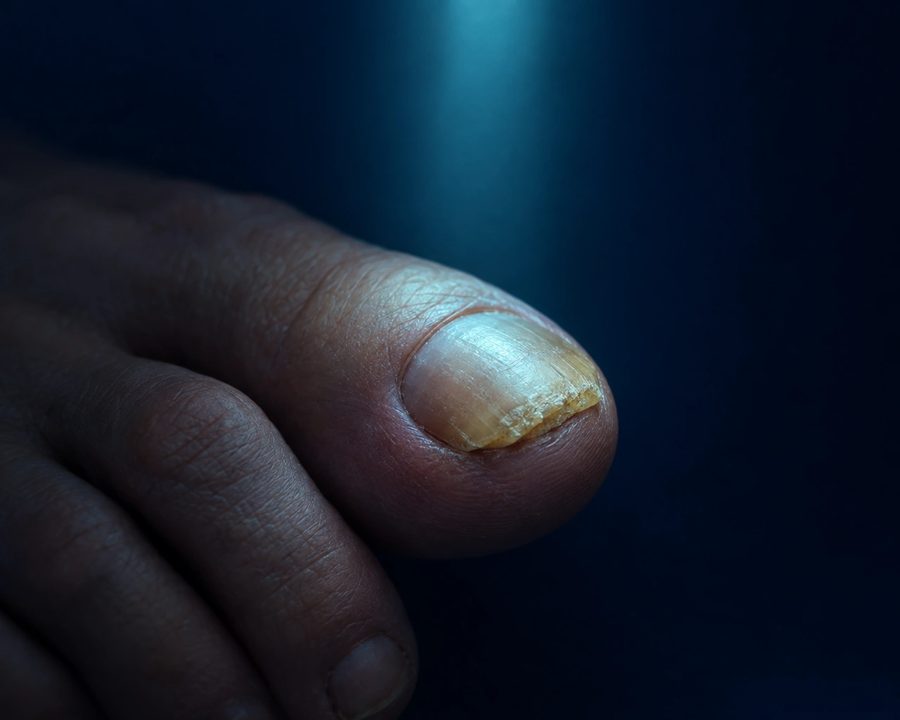
    How laser treatment works  Big toenail with a yellowed, thickened tip under a narrow beam of cool light
  5. Nail removal

    For a badly damaged or painful nail, removing part or all of the nail lets a treated nail grow back cleaner. This is reserved for severe cases.

Topical, oral, and laser care are not rivals.

They often work best together, and the right mix depends on the nail in front of us. Because Skylake Medical Associates is a full foot-and-ankle practice, the same doctor can prescribe, perform a procedure, or adjust the plan without sending you elsewhere.

In-office laser · REMY Class IV

Laser fungus removal: how laser treatment for toenail fungus works

Patients ask about the laser option most, so here is the plain version. Laser fungus removal uses focused light that passes through the nail and heats the fungus in the nail bed, while the nail and the skin around it stay unharmed. There are no injections and no systemic drugs, most people feel only warmth, and you walk out and back to your day right away. Patients also ask about specific devices such as the Lunula laser; the laser we use for nail fungus is the REMY Class IV.

Laser light passes through the nail plate and heats the fungus in the nail bed; the nail and surrounding skin are not harmed 1 2 3 4
  1. 1 Focused light from the handpiece
  2. 2 Passes through the nail
  3. 3 Heats the fungus in the nail bed
  4. 4 Nail and skin stay unharmed

An antifungal laser gives you a way to treat the nail without oral medication. This kind of laser treatment for nails suits people who:

  • have tried topical polish or cream and seen little change;
  • cannot take, or would rather avoid, oral antifungal pills;
  • have more than one infected toenail, or a nail that keeps coming back.
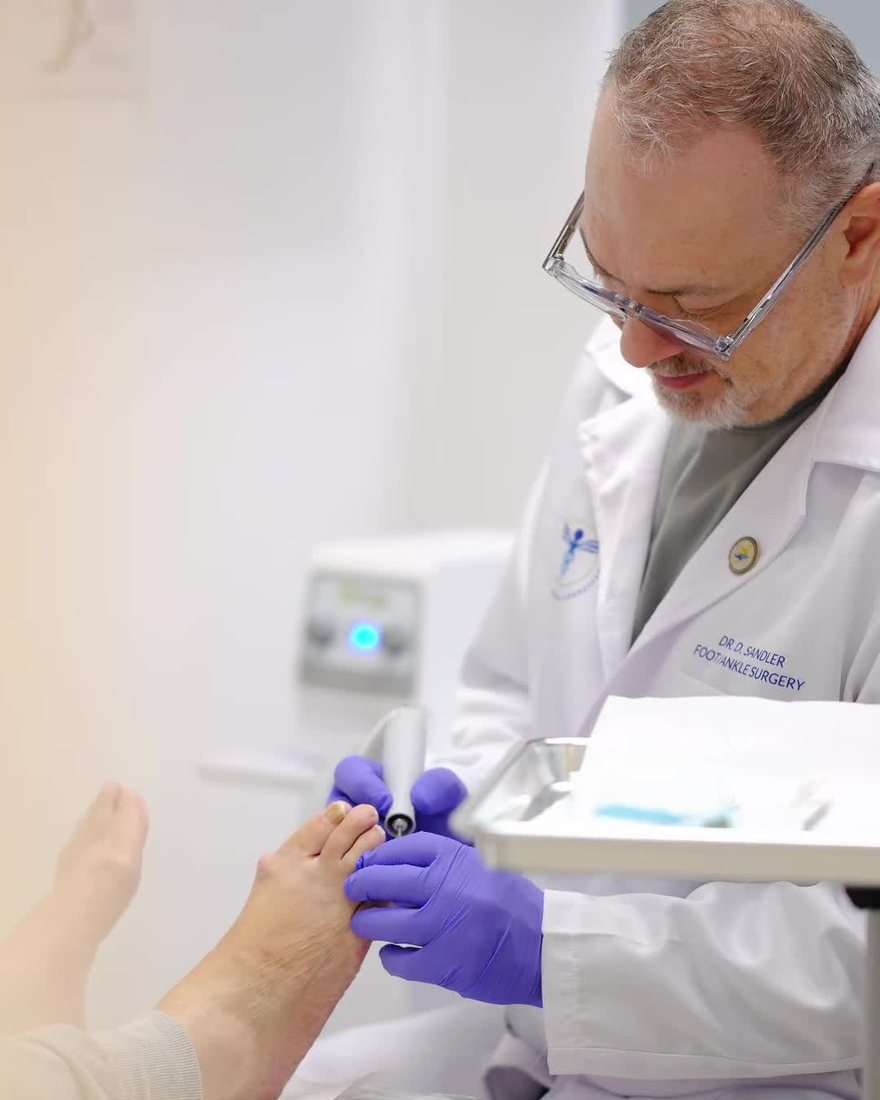
Dr. Dmitry Sandler thinning a patient's toenail with a handheld instrument at Skylake Medical Associates
Dr. Sandler · nail prep

What happens at a laser visit

  1. Exam and diagnosis

    Dr. Sandler confirms the nail change is fungal, not a bruise, psoriasis, or another nail problem.

  2. Nail prep

    We trim and thin the affected nails. This helps the laser light reach the nail bed where the fungus lives.

  3. The laser pass

    The handpiece moves over each nail. Most people feel warmth and nothing more. There is no anesthesia and no downtime, so you walk out and get on with your day.

Here is the honest part about timing: the laser weakens the fungus now, but the nail you see is already grown. A healthy nail grows out slowly, so it can take several months, sometimes six to twelve, before the clear nail fully replaces the damaged one. A course usually takes more than one session.

After laser
Months later
~6–12 months
Clear new nail Damaged nail growing out

Laser vs. topical and oral antifungals

How topical antifungals, oral antifungals, and laser reach toenail fungus
OptionWhere it worksWhat to expect
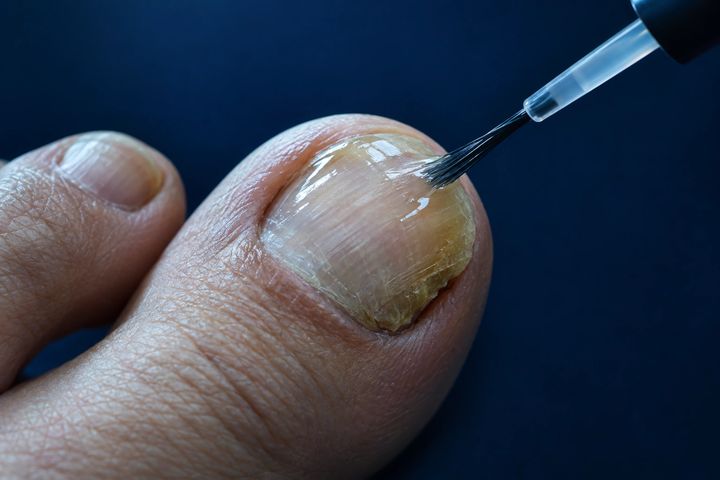
A brush applying a clear antifungal liquid to the surface of a thickened, yellowed big toenailTopical From the surface

Topical treatments are easy to start and low-risk, but they struggle to reach fungus deep under the nail, so mild cases do best with them.

White oral tablets beside a glass of waterOral antifungals Through the whole body

Oral antifungals can work well, yet they run for months and may call for blood tests to watch the liver, which rules them out for some patients.

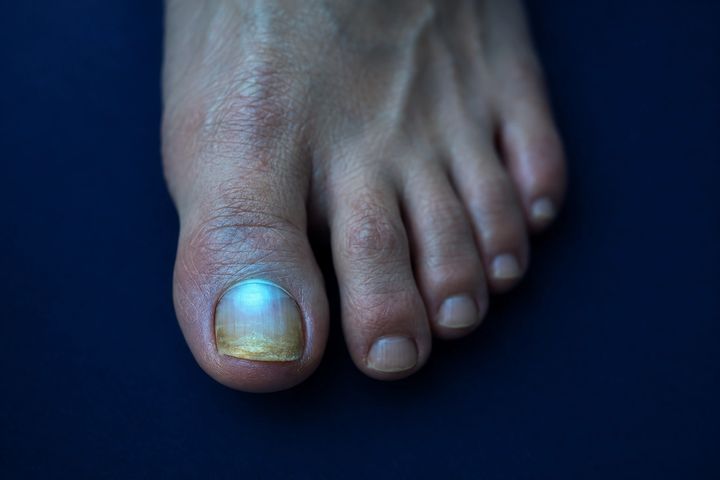
A small circle of cool light resting on a yellowed big toenailLaser Through the nail

A fungus laser reaches the fungus the creams miss, uses no drugs, and carries few side effects.

That is why laser therapy for fungal infections often makes sense when other routes have stalled or are off the table.

For tougher cases, we pair the laser with a topical and regular nail care.  It is a plan, not a one-and-done gimmick.

Pros, cons, and what improves your odds

Straight answer: laser helps many patients, and it is not magic.

In its favor

It is appealing because it skips oral medication and its side effects, and it can be paired with a topical to protect the new nail.

Keep in mind

It is not instant, results vary from nail to nail, fungus can return if the conditions that fed it stay the same, and it is often treated as cosmetic by insurers.

What moves the odds in your favor:

  • treating early, before the whole nail is involved;
  • finishing the recommended course rather than stopping after one pass;
  • drying feet well, rotating shoes, and treating athlete’s foot so it does not reinfect the nail.

The same REMY laser is also used for nerve pain and other foot conditions; read more on our REMY laser treatment page. At your visit we will tell you honestly whether laser, medication, or a combination fits your nail best.

When to see a podiatrist for nail fungus

See a nail fungus doctor if the nail is spreading, thickening, or hurting, if it keeps coming back after drugstore products, or if more than one nail is involved.

Come in sooner if you have diabetes, poor circulation, or a weakened immune system, because a small nail infection can turn into a bigger problem for the whole foot.

Early care is simpler, cheaper, and far more likely to save the nail than waiting a year to see what happens.

Why choose Skylake Medical Associates for toenail fungus care

  • Seen by our board-certified foot and ankle surgeon, Dr. Dmitry Sandler, not a nail salon or a mail-order kit.
  • A real diagnosis first, so you are not treating the wrong thing for months.
  • A full range of options in one place: debridement, topical and oral antifungals, and nail surgery when it is needed, plus in-office laser fungus removal with the REMY Class IV laser where it is appropriate.
  • A clear, honest plan about what each treatment can and cannot do, including cost and insurance.
  • Trusted by patients across greater Miami — rated 5.0★on Google from 70+ verified reviews.

Cost and insurance

Often covered
Medical care for an infected or painful nail, including diagnosis, debridement, and prescriptions, is often covered when it is medically necessary.
May be self-pay
Laser nail treatment is frequently considered cosmetic and may be self-pay.

We accept most major plans — including Medicare and Cigna, and offer self-pay options. Call and we will explain what your visit and treatment are likely to cost before you commit.

In their own words.

See what an appointment looks like and hear directly from patients. Diagnostics, procedures, recovery check-ins, and honest testimonials — filmed with full consent.

01 / 04

ABI test & custom orthotics

Dr. Sandler · diagnostics
02 / 04

Bunion (hallux valgus) care

Dr. Sandler · foot surgery
03 / 04

Walking again after 4 weeks

Dr. Sandler · recovery progress
04 / 04

Leg-saving treatment

Dr. Sandler · patient testimonial

A space that feels nothing like a hospital.

Clean, quiet, and not what you picture when someone says “doctor’s office.” See for yourself.

Skylake Medical Associates reception: white front desk, warm light, hardwood floor
Reception
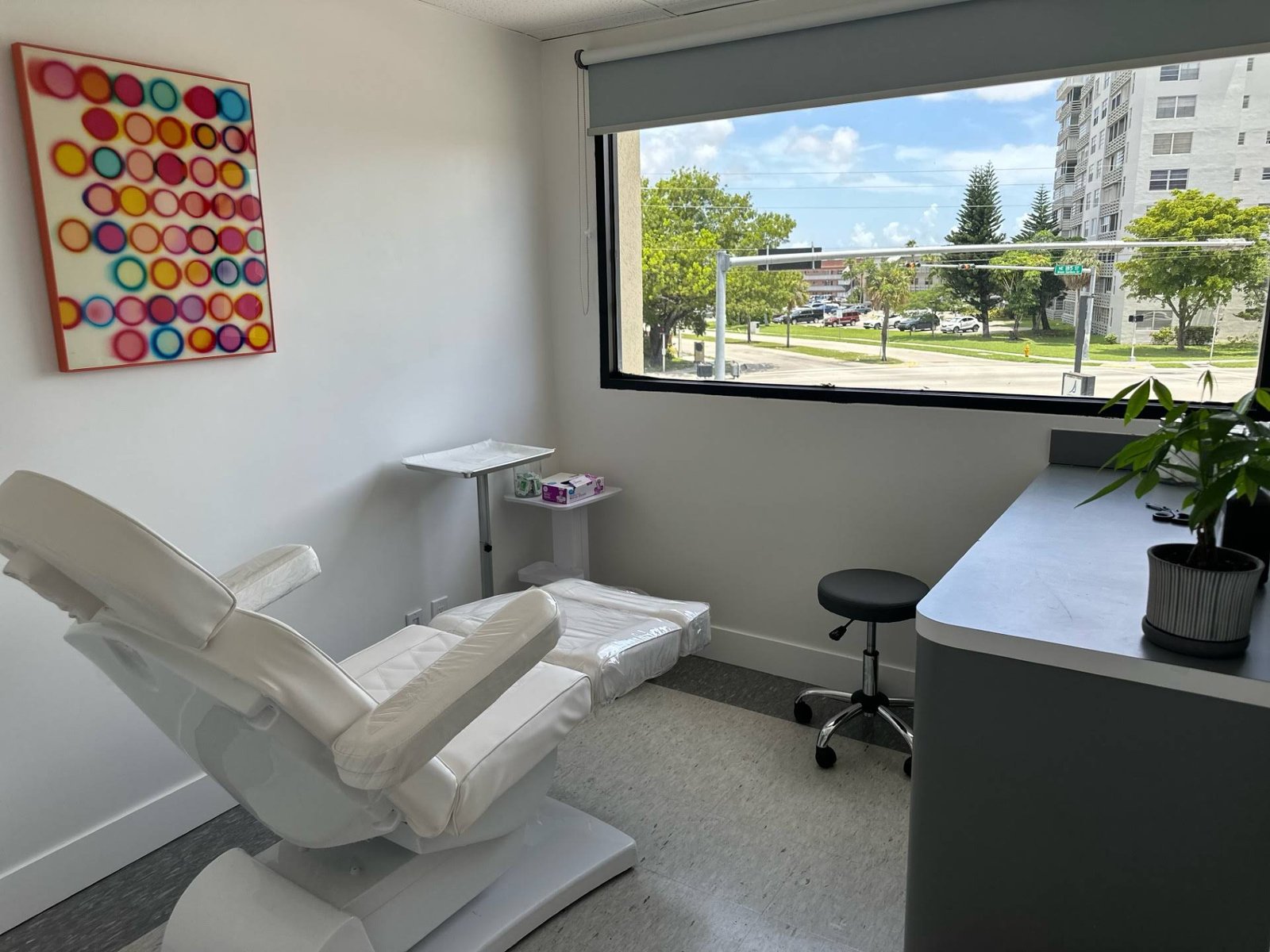
Modern procedure room with large garden-facing window
Procedure room
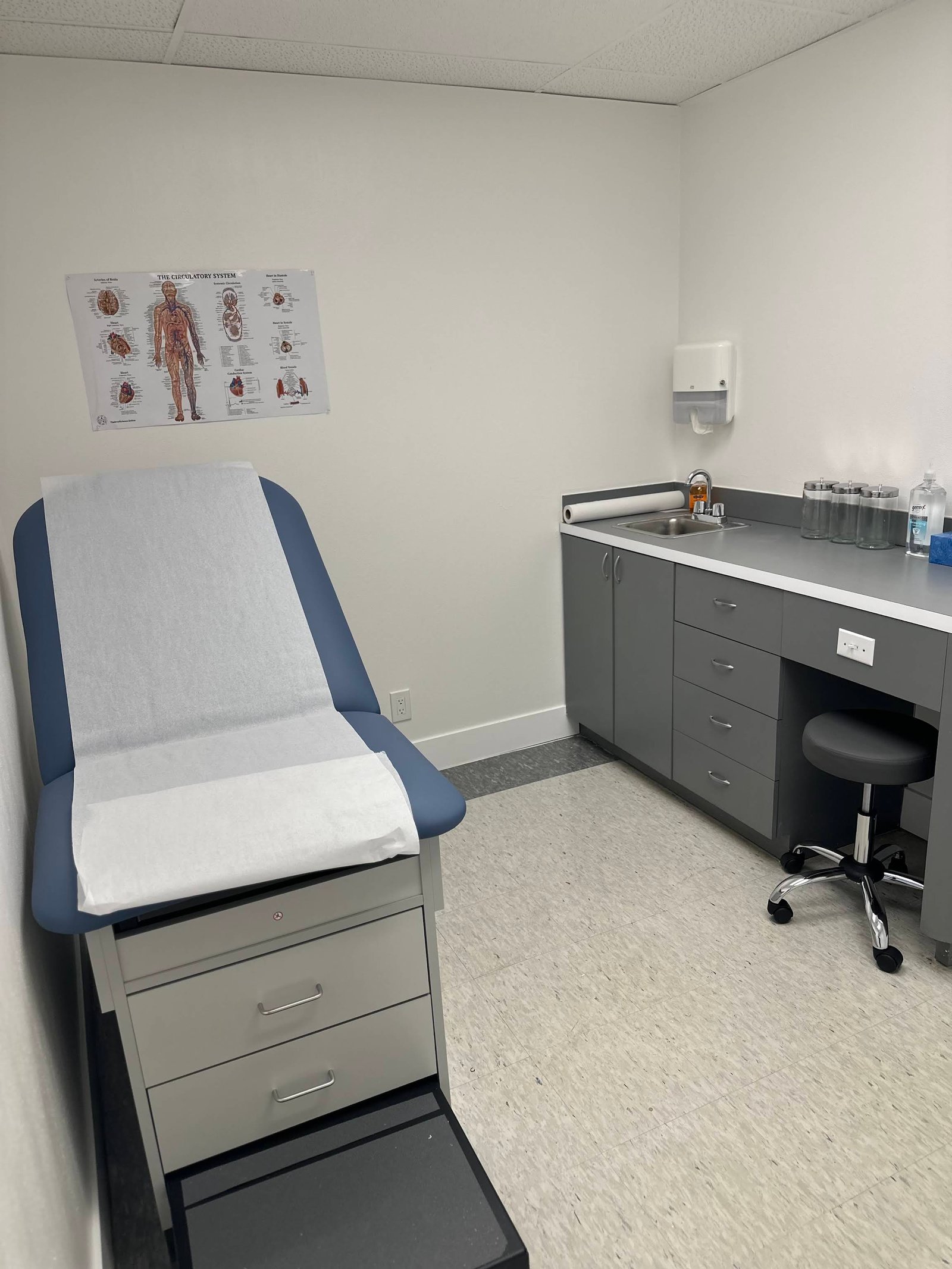
Exam room with standard diagnostic equipment
Exam room
Clinic hallway with contemporary artwork and hardwood floor
Hallway
Patient reviews

What patients say about nail care at Skylake Medical Associates

Rated 5.0★on Google from 70+ verified reviews — treated by a board-certified foot and ankle surgeon rather than a nail salon. Reviews load live below; nothing here is hand-picked.

Reviews shown are general practice reviews from verified Skylake Medical Associates patients and are not specific to toenail fungus treatment. Nail fungus clears as the healthy nail grows in, so individual results vary.

Insurance & billing

No surprise bills — ever.

We accept most major insurance plans and verify your coverage before any procedure, so you see the numbers before anything starts.

Plans accepted

  • Medicaid
  • AvMed
  • Aetna
  • Doctors HealthCare Plans
  • Devoted Health
  • Cigna Healthcare
  • Medicare
  • Simply Healthcare
  • Curative
  • UnitedHealthcare

Don’t see your plan? Call us at (305) 735-2022. We also work directly with personal injury (PIP) coverage for patients injured in a car accident or crash.

Our billing promise

Before any procedure we verify your plan, explain what is covered, and give you a written estimate.

  • Coverage verified before your visit
  • Written estimate before procedures
  • No out-of-pocket surprises
Serving Miami & South Florida

Toenail fungus doctor near you in greater Miami

Skylake Medical Associates is at 1380 NE Miami Gardens Dr, Ste. 280, North Miami Beach, FL 33179, and we treat patients from across Miami-Dade, including Aventura, Sunny Isles Beach, Miami Beach, Miami Gardens, Hallandale Beach, and greater Miami. If you have been looking for a toenail fungus doctor near me, a fungal nail treatment near me, or laser fungus removal in Miami and the North Miami Beach area, we make it easy to get seen and start on a plan.

Address

1380 NE Miami Gardens Dr, Suite 280
North Miami Beach, FL 33179

Hours

Mon–Fri9 AM–5 PM
SatBy appointment
SunClosed

Contact

(305) 735-2022
Front desk & new-patient appointments

Book your visit

Book a toenail fungus evaluation — diagnosis first, then a plan matched to your nail. Most major plans accepted and verified before your visit; openings same day for emergencies and new patients.

Request an appointment 

Toenail fungus FAQ

Does laser treatment for toenail fungus actually work?
It can help, especially when the diagnosis is confirmed and the plan is followed. Laser weakens the fungus without pills, and results appear as the healthy nail grows in over several months. It usually needs more than one session and often pairs well with a topical. It is not a guaranteed one-visit fix.
Is laser or oral medication better for nail fungus?
Oral antifungals like terbinafine clear stubborn infections well but treat your whole body and need a health check first. Laser targets only the nail with no systemic drugs. The better choice depends on how severe the nail is and your health, which is what the first visit sorts out.
Does laser nail fungus treatment hurt?
Most people feel only warmth. There is no anesthesia and no recovery time, so you return to normal activity the same day.
How soon will my nail look clear after laser?
The laser acts now, but a nail grows slowly. Expect a clearer nail to grow out over roughly six to twelve months.
Why is my toenail turning black?
A black or dark nail can be fungus, but it can also be a bruise under the nail from trauma or runner’s toe. Because the causes and treatments differ, it is worth having a podiatrist confirm what it is before treating it.
Is toenail fungus contagious?
Yes. It can spread between your own nails, to the skin as athlete’s foot, and to other people through shared floors, towels, and nail tools. Treating it and keeping feet dry lowers the risk of spreading and of it coming back.
How much does toenail fungus treatment cost?
Medically necessary care is often covered by insurance, while laser is frequently self-pay because it is treated as cosmetic. Cost depends on the treatment and how many nails are involved. Call for an estimate.
Is there a toenail fungus doctor near me in North Miami Beach?
Yes. Our North Miami Beach podiatrist treats nail fungus for patients across Miami, Aventura, Sunny Isles, and Hallandale, with openings same day for emergencies and new patients.

Same-day openings for emergencies and new patients.